Royal Philanthropic Vaccine Expedition
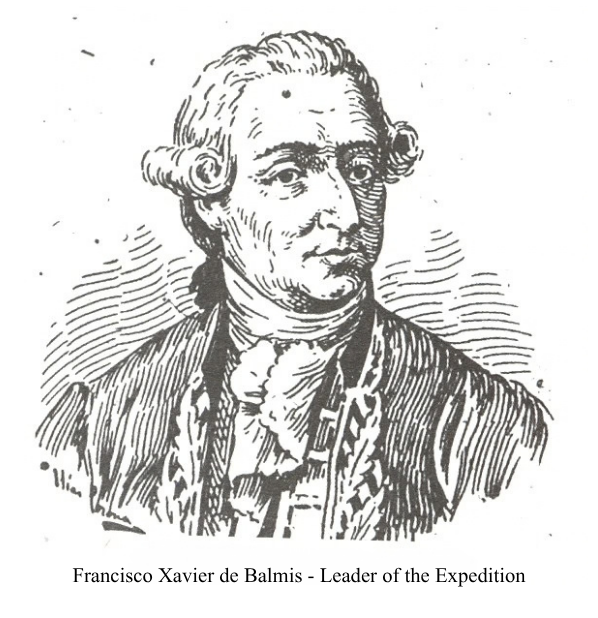
The Royal Philanthropic Vaccine Expedition was a healthcare mission financed by the Spanish crown that carried out the smallpox vaccination method developed by Edward Jenner to the Spanish colonies with the aim of vaccinating the population and institutionalising the practice. Its members employed humans as carriers of the vaccine, mainly orphan children, vaccinating them one after the other so that they would always have a fresh supply of the vaccine’s fluid. It sailed on 30 November 1803 from La Coruña and later divided into two main groups, each one finishing in different years: the Sub-expedition Balmis in 1807, and the Sub-expedition Salvany by the end of 1811.
Despite the efforts of the members of the expedition, the vaccination method developed by Jenner did not arrive solely through them. In Peru, as well as in other territories of Spanish America, the vaccine would arrive by the hands of merchants or by petition from the authorities sent to other points of the globe where the vaccine had spread already. The imperative of establishing institutional guidelines for the preservation of the citizen’s health, on the other hand, was pushed by the expeditionaries. This translated into the creation of committees, Juntas de Vacuna, in the densest and most influential cities of America, which should be responsible for the preservation of the vaccine’s fluid and of periodic vaccinations.
Purpose of this website
This website's aim is accessibility. Thus, one of the goals here is to make accessible online the transcriptions of the documentation on both the Balmis expedition and the main Peruvian sources on early vaccination. The second goal was to provide a digital reconstruction of the paths taken by the members of the Expedition. This is not centred around the events that surrounded the members, but rather on the journey itself: where they passed by and when, according to what is stated in the primary sources.